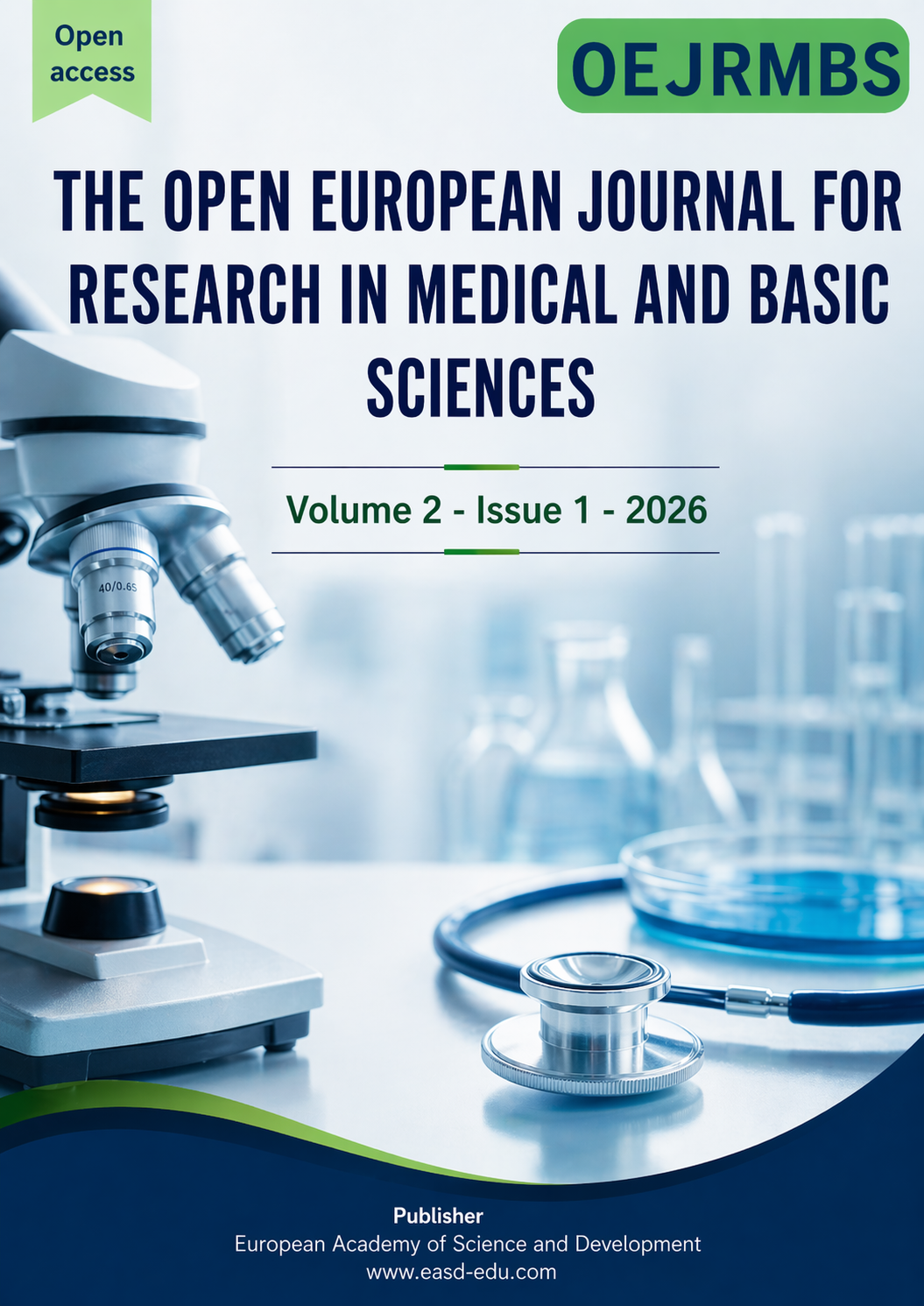
The Impact of Medical Waste Generated from Respiratory Departments on Indoor Air Quality in Hospitals

Authors

  • Murad Abdulati H. Belhaj Higher Institute of Medical Sciences and Technologies, Abu Salim, Tripoli, Libya. Author
  • Fardous Mustafa Mohammed Omar Department of Civil Engineering, Faculty of Engineering, University of Tripoli, Tripoli, Libya Author

Keywords:

Indoor Air Quality (IAQ), Respiratory Ward Waste, Bioaerosols, ASHRAE 170, Negative Pressure, Healthcare-Associated Infections (HAIs), HEPA Filtration, Smart Hospital Waste Management

Abstract

ABSTRACT:

This study systematically investigates the critical role of medical waste generated in hospital respiratory wards as active, dynamic emission sources compromising Indoor Air Quality (IAQ) and escalating the risk of Healthcare-Associated Infections (HAIs). Employing a descriptive-analytical methodology, the study synthesizes global literature, regulatory frameworks, and engineering standards established by the World Health Organization (WHO), ASHRAE Standard 170, the U.S. Environmental Protection Agency (EPA), the Joint Commission International (JCI), and CBAHI. Findings demonstrate that inadequate containment of wet respiratory consumables (e.g., ventilator circuits, suction canisters, endotracheal tubes) triggers significant emissions of bioaerosols carrying multidrug-resistant organisms (MDROs), fine particulate matter (PM2.5/PM10), and volatile organic compounds (VOCs). Maintaining continuous negative pressure gradients (≥ -2.5 Pa), optimal air exchange rates (12–15 ACH), dedicated 100% exhaust systems, and high-efficiency particulate air (HEPA 99.97%) filtration are identified as essential technical barriers. The study proposes an integrated conceptual framework transitioning hospital waste protocols into a 'Smart IAQ Management System' coupled with real-time IoT sensors and Building Management Systems (BMS).

Downloads
Download data is not yet available.

أولاً: المراجع العربية

أبو الهدى، م. (2018). الجسيمات الدقيقة العالقة في البيئات الاستشفائية ودورها في نقل مسببات الأمراض عبر الهواء. مجلة العلوم البيئية والصحية، 14(2)، 112–128.

بريه، ع. (2022). تقييم جودة الهواء الداخلي في المستشفيات وعلاقتها ببروتوكولات إدارة النفايات الطبية الخطرة. المجلة العربية للصحة المهنية والبيئية، 9(3)، 45–63.

الجابري، ع.، والمالكي، ط. (2023). كفاءة منظومات الفلترة المتقدمة (HEPA) في تقليل الأحمال الميكروبية داخل أقسام العناية الفائقة. مجلة الهندسة الطبية والبيئية، 11(1)، 88–104.

خضير، أ.، ورشيد، س. (2024). قياس الانبعاثات الغازية والمركبات العضوية المتطايرة (VOCs) المنبعثة من حاويات النفايات في المنشآت الصحية. مجلة الرقابة البيئية، 16(2)، 134–152.

خورشيد، م. (2024). الإدارة المتكاملة للنفايات الطبية ودورها في تعزيز سلامة البيئة الاستشفائية وضبط العدوى. دار الوفاء للنشر.

الشمري، خ. (2009). أساسيات تهوية وتكييف الهواء في المستشفيات والمراكز الصحية. دار الكتب العلمية.

عبد الماجد، س. (2020). الهندسة الطبية ودورها في الحد من العدوى المتقاطعة عبر الأنظمة الميكانيكية والضغط السالب. منشورات جامعة القاهرة، كلية الهندسة.

فتيحة، أ. (2022). دليل الجودة الشاملة لإدارة النفايات الطبية الخطرة وضبط العدوى المحمولة جوًا (الطبعة الثانية). معهد الدراسات البيئية.

اللهيبي، ح.، والجبوري، ع. (2020). إدارة النفايات الطبية وأثرها على الصحة العامة والبيئة الاستشفائية. المجلة العراقية للعلوم الطبية، 18(1)، 55–72.

مديرية البيئة. (2016). تقرير الواقع البيئي: التلوث الميكروبي والكيميائي في المنشآت الصحية. منشورات وزارة البيئة.

ثانيًا: المراجع الأجنبية والمعايير الدولية

American Society of Heating, Refrigerating and Air-Conditioning Engineers. (2021). Ventilation of health care facilities (ANSI/ASHRAE/ASHE Standard 170-2021). ASHRAE.

Centers for Disease Control and Prevention. (2019). Guidelines for environmental infection control in health-care facilities: Recommendations of CDC and the Healthcare Infection Control Practices Advisory Committee (HICPAC). U.S. Department of Health and Human Services.

Joint Commission International. (2020). Joint Commission International accreditation standards for hospitals (7th ed.). Joint Commission Resources.

Saudi Central Board for Accreditation of Healthcare Institutions. (2019). National standards for hospitals: Infection control and environmental safety (ES). CBAHI.

U.S. Environmental Protection Agency. (2020). Indoor air quality and medical waste management guidelines in acute care environments (EPA Report No. 402-R-20-004). U.S. Environmental Protection Agency.

World Health Organization. (2014). Safe management of wastes from health-care activities (2nd ed.). World Health Organization.

World Health Organization. (2021). WHO global air quality guidelines: Particulate matter (PM2.5 and PM10), ozone, nitrogen dioxide, sulfur dioxide and carbon monoxide. World Health Organization.

Downloads

Published

2026-09-21

Issue

Section

Articles

How to Cite

Murad Abdulati H. Belhaj, & Fardous Mustafa Mohammed Omar. (2026). The Impact of Medical Waste Generated from Respiratory Departments on Indoor Air Quality in Hospitals. The Open European Journal for Research in Medical and Basic Sciences (OEJRMBS), 2(1), 31-41. https://easdjournals.com/index.php/oejrmbs/article/view/89